
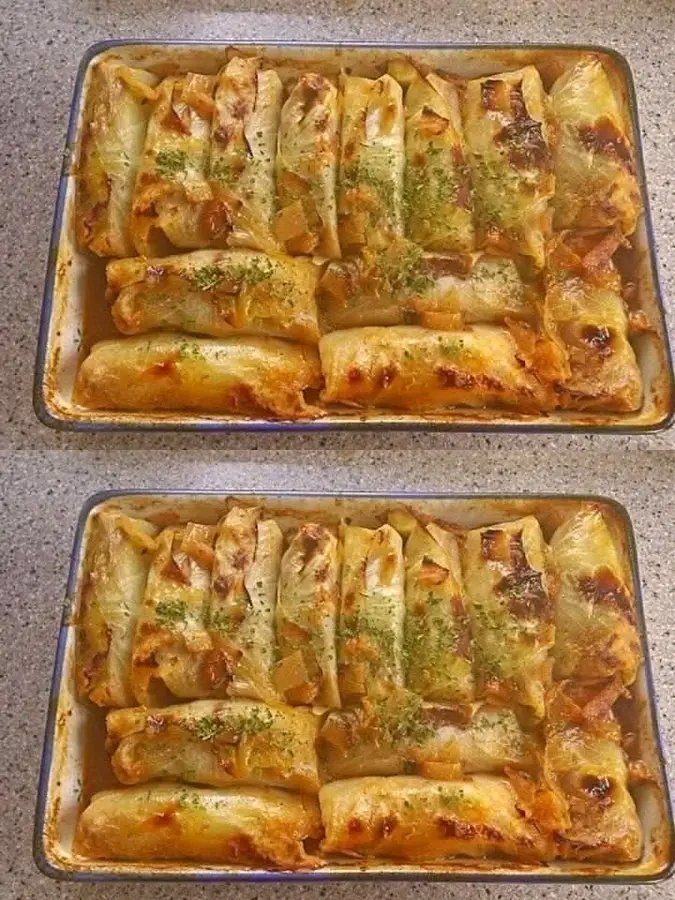
Few dishes evoke the feeling of “home” quite like Baked Cabbage Rolls. Known by many names—Golabki, Sarma, or simply Stuffed Cabbage—this dish is a global comfort staple. It is the perfect marriage of sweet, tender cabbage and a hearty, savory filling, all slow-baked until the flavors meld into something truly magical.
In this guide, we will cover the best way to prep cabbage leaves without them tearing, the secret to a moist filling, and how to achieve that perfect caramelized finish in the oven.
Table of Contents
- The History of Stuffed Cabbage
- Essential Ingredients Checklist
- Step-by-Step Culinary Instructions
- The Secret to Tender, Flexible Cabbage Leaves
- Flavor Variations: Sauces and Fillings
- Storage, Freezing, and Reheating
1. The History of Stuffed Cabbage
Stuffed cabbage has been a “Depression-era” hero for generations because it uses high-volume, low-cost ingredients to feed a large family. By utilizing the natural sweetness of cabbage and extending expensive meat with rice or grains, it became a nutritional powerhouse that sustained families through tough times.
2. Essential Ingredients Checklist
- Cabbage (1 Large Head): Green cabbage is the traditional choice for its sturdy leaves.
- Ground Meat (1 lb): A mix of ground beef and pork provides the best flavor and moisture.
- Rice (1 Cup): Cooked and cooled. This acts as the binder.
- Aromatics: 1 large onion (finely diced) and 2 cloves of garlic.
- Tomato Sauce: A simple blend of tomato soup or crushed tomatoes with a splash of vinegar or lemon juice for balance.
- Fresh Herbs: Parsley or dill for a vibrant finish.
3. Step-by-Step Instructions
Phase 1: Prepping the Leaves
Core the cabbage and boil the whole head in a large pot of salted water for 5–8 minutes. As the outer leaves soften, peel them off one by one. This prevents them from snapping.
Phase 2: The Filling
Combine your ground meat, cooked rice, sautéed onions, garlic, and seasoning in a bowl. Mix by hand until just combined—do not overwork the meat.
Phase 3: The Assembly
Place a generous scoop of filling at the base of a leaf. Fold the sides in and roll tightly, similar to a burrito. Place the rolls seam-side down in a greased baking dish.
Phase 4: The Bake
Pour your tomato sauce over the rolls. Cover tightly with foil and bake at 175°C (350°F) for 60–90 minutes. For the final 15 minutes, remove the foil to allow the tops to brown slightly.
4. The Secret to Tender, Flexible Cabbage Leaves
If you don’t want to boil the cabbage, try the “Freezer Trick.” Place the whole head of cabbage in the freezer for 24 hours, then thaw it completely. The freezing process breaks down the cell walls, making the leaves perfectly soft and pliable without any cooking required.
5. Flavor Variations: Sauces and Fillings
- The Sweet & Sour: Add a tablespoon of brown sugar and a splash of apple cider vinegar to your tomato sauce.
- The Vegetarian: Swap meat for a blend of mushrooms, lentils, and extra rice.
- The Spicy Kick: Add red pepper flakes to the filling and use a spicy marinara as your base.
6. Storage, Freezing, and Reheating
- Fridge: These taste even better the next day! Store for up to 4 days.
- Freezing: Cabbage rolls freeze beautifully. Freeze them in their sauce for up to 3 months.
- Reheating: Reheat in the oven at 160°C to maintain the texture of the leaves.
Final Expert Tip
Always line the bottom of your baking dish with any leftover or torn cabbage leaves. This prevents the rolls from sticking and adds an extra layer of flavor to the sauce!
Ready to get rolling? Drop a “Yum” in the comments if you’re making these this weekend!